
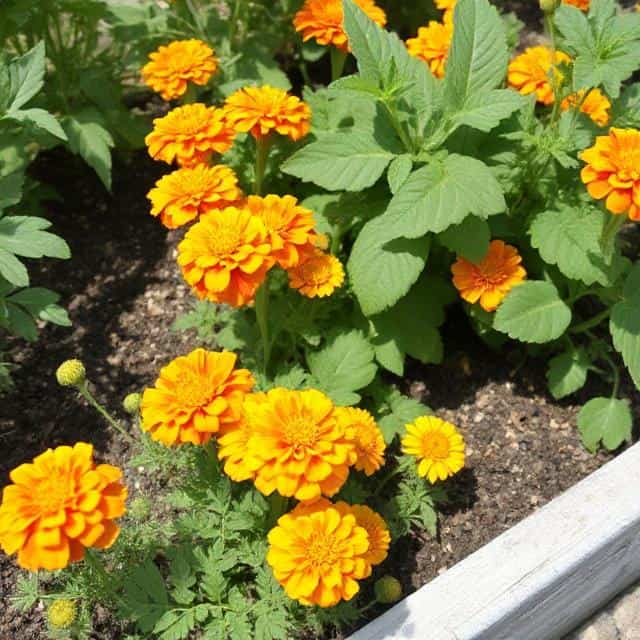
Are you looking to boost your vegetable garden’s health, yield, and beauty naturally? Look no further than the humble marigold! Often relegated to ornamental borders, these vibrant flowers are unsung heroes in the world of companion planting. Incorporating marigolds in vegetable gardens can help deter pests, attract beneficial insects, and enhance soil health—all while adding a splash of color. At GL Planters, we believe in helping you cultivate the most successful garden possible, and integrating marigolds is a simple, effective step you won’t regret.
Marigolds: More Than Color
Marigolds (specifically Tagetes species) offer a remarkable array of benefits that directly impact the well-being of your vegetable plants. Planting marigolds in vegetable garden can naturally repel pests, enrich the soil, and attract beneficial pollinators. Let’s dive into why these cheerful blooms deserve a prime spot in your edible landscape:
1. Natural Pest Repellent
Marigolds deter many pests:
- Nematodes: Especially root-knot nematodes. French marigolds (Tagetes patula) release root-secreted compounds toxic to nematodes.
- Aphids: Marigolds attract beneficial predators.
- Whiteflies: Discouraged by marigold scent and presence.
- Slugs, snails, beetles: Strong aroma repels many soft-bodied pests.
- Rabbits: Odor deters them in some gardens.
In larger raised beds, marigolds can be planted around the perimeter to help naturally deter pests while supporting nearby vegetables.
When marigolds are planted alongside vegetables, they perform especially well in a well-structured growing environment, such as an open-bottom cedar raised garden bed, where roots can expand naturally and soil conditions stay balanced.
2. Attract Beneficial Insects
Marigolds attract natural pest predators:
- Ladybugs: Aphid predators.
- Hoverflies: Larvae consume soft-bodied pests.
- Lacewings: Feed on aphids, whiteflies.
- Pollinators: Bees, butterflies boost biodiversity and fruit set.
More good bugs = fewer bad bugs.
3. Improve Soil Health
Marigolds improve soil by:
- Adding organic matter after decomposition.
- Breaking up compacted soil via root penetration.
Better soil = better crops.
4. Trap Cropping Strategy
Certain pests prefer marigolds. Use as trap crops to lure pests from vegetables. Control or isolate pests easily.
5. Boost Garden Aesthetics
Bright yellow, orange, red blooms energize raised beds. Functional and decorative—a visual upgrade to any edible garden.
6. Companion Planting Power
Top marigold pairings:
- Tomatoes: Repel nematodes, whiteflies.
- Beans: Deter beetles.
- Cucumbers: Fight cucumber beetles.
- Peppers: Reduce aphids, spider mites.
Marigolds complement many vegetables.
7. Perfect for Raised Beds
Marigolds in vegetable gardens thrive especially well in cedar raised garden beds like those from GL Planters. Compact, quick-growing, pest-deterring—ideal for interplanting or borders.
8. Low Maintenance, Long Blooming
Blooming from summer to frost. Tolerant, sun-loving, easy-care. Minimal effort, maximum impact.
👉 Check Out: Master Companion Planting for a Healthier, Thriving Garden

Getting Started with Marigolds in Vegetable Gardens
Integrating marigolds into your vegetable garden is incredibly easy:
- Choose the Right Varieties: French marigolds (Tagetes patula) are generally recommended for nematode control. African marigolds (Tagetes erecta) are larger and also effective pest deterrents.
- Strategic Placement: Plant marigolds among your most susceptible vegetables. Think tomatoes, peppers, potatoes, beans, and leafy greens. You can also create borders around your vegetable beds.
- Succession Planting: For continuous protection and blooms, consider planting marigold seeds or starts in succession throughout the growing season.
- Easy Care: Marigolds are low-maintenance plants, requiring well-drained soil and plenty of sun. Deadheading spent blooms will encourage more flowers.
At GL Planters, we offer a range of planters perfect for integrating marigolds in vegetable gardens and other companion plants into your garden design. Whether you have a sprawling backyard or a small patio, our solutions help you create a thriving and beautiful edible space.
Cultivate a Healthier Garden Today!
Embracing the power of marigolds is a simple yet impactful step towards a more sustainable, productive, and beautiful vegetable garden. Say goodbye to harmful chemicals and hello to nature’s own pest control and soil improvers.
Using marigolds as companion plants is one of many techniques that support a healthier garden ecosystem — one reason many gardeners choose ground-level raised garden beds to encourage deep roots, natural drainage, and long-term soil biology.
Frequently Asked Questions: Marigolds in Vegetable Gardens
Should I plant marigolds in vegetable gardens?
Yes. Marigolds are one of the best companion plants for vegetables. They naturally repel pests, attract beneficial insects, improve soil, and add vibrant color. Whether you garden in raised beds or containers, marigolds are a low-maintenance, high-reward addition.
Why plant marigolds in vegetable gardens?
Marigolds help control pests like nematodes, aphids, and whiteflies, attract pollinators and beneficial insects like ladybugs and hoverflies, and improve soil health. They support healthier crops without chemicals.
Which type of marigold is best for pest control?
French marigolds (Tagetes patula) are the best choice for controlling root-knot nematodes. African marigolds (Tagetes erecta) are larger and also useful, especially for visual impact.
Do marigolds repel all pests?
Not all pests, but marigolds deter nematodes, whiteflies, squash bugs, bean beetles, slugs, snails, and sometimes rabbits. They also attract natural predators to help manage pest populations.
What vegetables don’t like marigolds?
While marigolds pair well with most vegetables, some root crops like beans, cabbage, and brassicas may grow better when marigolds are planted nearby—but not directly intermingled, as marigolds may outcompete them in close quarters.
Why do farmers plant marigolds in vegetable garden?
Farmers use marigolds in vegetable gardens for natural pest management, reducing reliance on chemical pesticides. Their pest-repelling properties, soil improvement benefits, and ability to attract pollinators make them a powerful organic gardening tool.
Do marigolds come back every year?
No. Marigolds in vegetable gardens are annuals, meaning they complete their life cycle in one season. However, they reseed easily, and you can collect seeds for replanting next year.
Is it OK to plant marigolds with tomatoes?
Absolutely. Marigolds and tomatoes are ideal companions. Marigolds repel whiteflies, nematodes, and aphids, improving tomato growth and fruit quality.
Are marigolds good to plant next to cucumbers?
Yes. Marigolds deter cucumber beetles and other pests, making them excellent companions for cucumbers. Plant them around your raised beds or in between cucumber vines.
Do marigolds keep ants away?
Marigolds may discourage some ant species due to their pungent scent, though they are not a guaranteed ant deterrent. They’re more effective at managing aphids—which ants often “farm.”
What is best to plant next to peppers?
Marigolds and peppers grow well together. Marigolds repel aphids, spider mites, and beetles that commonly attack peppers, boosting plant health and production.
Can I grow marigolds in raised beds?
Yes! Marigolds thrive in raised cedar garden beds like those at GL Planters. They’re compact, quick to flower, and pair well with all major vegetable crops.
Do marigolds need special care?
No. Marigolds are low-maintenance plants. They need sun, well-drained soil, and occasional deadheading. Perfect for beginners or gardeners with limited time.
When should I plant marigolds?
Plant marigolds after the last frost in spring. For continued protection and blooms, use succession planting every few weeks throughout the season.
How many marigolds should I plant in my raised bed?
Plant one marigold every 12–18 inches between or around vegetables. Use them to form borders or interplant rows for natural pest control and visual appeal.
If you’re planning pest control layouts alongside bed selection, choosing the right raised garden bed can make spacing, airflow, and companion planting far more effective long-term.
