Unlock your raised garden bed’s potential! Learn common raised garden bed mistakes like poor soil, watering errors, and overcrowding to avoid. Get expert tips for healthy plants and higher yields from GL Planters.
In this guide, we’ll walk you through ten crucial raised garden bed mistakes gardeners often make — from choosing the wrong soil to ignoring essential care. You’ll also discover practical tips for watering, pest control, and plant spacing, plus learn why GL Planters’ cedar beds are designed for thriving results. Get ready to sidestep common pitfalls and cultivate a healthy garden that flourishes season after season.
1. Wrong Soil Mix: Start with Rich, Balanced Soil
Avoid filling beds with plain topsoil or heavy clay. Raised beds require light, well-drained soil.
- Best Mix: 60% topsoil, 30% compost, 10% perlite or coarse sand.
- Boost Fertility: Add aged compost, leaf mold, or worm castings annually.
GL Planters’ cedar beds support deep, nutrient-rich soil profiles for healthy roots—Shop Raised Garden Beds Now
2. Poor Drainage: Raised Doesn’t Mean Perfect
Raised beds improve drainage, but poor soil or blocked bottom layers are common raised garden bed mistakes that still cause soggy roots.
- Fix It: Ensure bed bottoms don’t compact. Avoid weed cloth underneath — it slows water escape.
- Check Drainage: Water should drain within 30–60 minutes.
3. Overwatering or Underwatering: Know Plant Needs
Mistimed watering leads to stress, disease.
- Water Deep, Not Daily: Train roots to grow downward.
- Morning Is Best: Reduces fungal risk.
- Use Soaker Hoses: Target water at base, reduce waste.
4. Neglecting Mulch: Missed Moisture Control
Bare soil is one of the classic raised garden bed mistakes—it dries fast and welcomes weeds.
- Apply 2–4″ Mulch: Wood chips, straw, shredded leaves.
- Benefits: Holds moisture, suppresses weeds, regulates soil temp, adds nutrients.
5. Ignoring Soil Health: Feed the Soil First
Fertilizer is not enough. Healthy soil grows strong plants.
- Add Compost: Spring and fall.
- Avoid Compaction: Never step in beds. GLPlanters raised beds eliminate this risk.
6. Wrong Location: Sunlight Matters
A key raised garden bed mistakes include not providing edibles with their required 6–8 hours of daily sunlight.
- Track Sun Patterns: Adjust bed placement if needed.
- Tip: Place the tallest plants (tomatoes, corn) on the north side to avoid shading others.
7. Planting Too Close: Crowding Kills Growth
Overcrowding is also the common raised garden bed mistakes that leads to poor airflow, disease, and stunted yields.
- Follow Spacing Guidelines: Especially for root crops.
- Use Vertical Space: Trellises for cucumbers, beans, peas.
8. Skipping Crop Rotation: Pest Party Begins
Same plant families in the same spot? Pests and diseases stay.
- Rotate Annually: Group by family — nightshades, brassicas, legumes, etc.
- Break Cycles: Keeps soil balanced, pests confused.
9. Neglecting Garden Hygiene: Tools, Beds, Hands
Using dirty tools leads to raised garden bed mistakes by spreading disease quickly.
- Clean Tools: After use or cutting infected plants. Use alcohol or bleach.
- Prune Smart: Remove damaged leaves, promote air flow.
10. Using Chemicals: Harmful to Garden Balance
Using synthetic fertilizers and pesticides is one of the most common raised garden bed mistakes — they damage soil health and harm essential pollinators.
- Go Natural: Neem oil, insecticidal soap, diatomaceous earth.
- Attract Beneficials: Ladybugs, lacewings, bees.
Healthy Gardening Practices That Boost Bed Success
Raised beds need strong foundational care. Master these essentials:
✅ Soil Management
- Add compost each season
- Avoid compaction
- Test pH and nutrients
✅ Water Wisely
- Water deeply
- Avoid leaf wetting
- Adjust per weather
✅ Attract Pollinators
- Grow bee balm, marigolds, lavender
- Mix in herbs: basil, oregano, dill
- See our blog on attracting pollinators
✅ Add Diversity
- Companion plant: marigolds with tomatoes, nasturtiums with cucumbers
- Rotate crops yearly
Why Choose GLPlanters Raised Garden Beds?
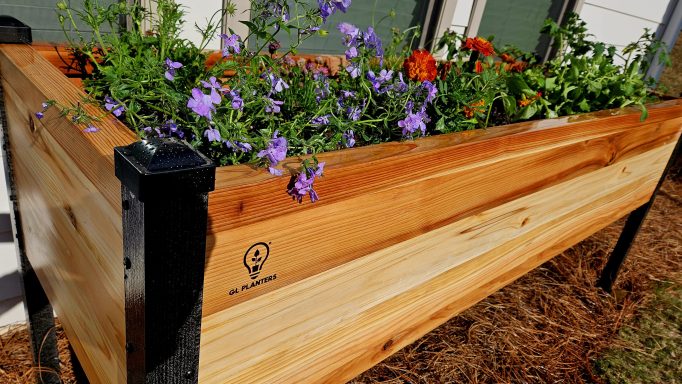
🌿 Premium Cedar: Rot-resistant, chemical-free
🔨 Easy Assembly: No tools required
🌱 Deep Growing Space: Perfect for roots
💧 Superior Drainage: Prevent root rot
🌞 Custom Sizes: Fit any space
GL Planters builds smarter gardens that help you avoid common raised garden bed mistakes — designed for thriving results.
Frequently Asked Questions (FAQs)
Q: Can I grow anything in a raised bed?
Yes! Vegetables, herbs, flowers, and small fruits thrive in well-prepped beds.
Q: How deep should my bed be?
At least 10–12 inches for most vegetables. Root crops may need 18″.
Q: What if my soil is poor?
Raised beds let you start fresh with an ideal soil mix. Add compost regularly.
Q: Do I need to fertilize?
Organic compost usually suffices. Supplement only if deficiencies appear.
Q: How often should I add compost to my garden?
Annually, ideally spring or fall. A 1-2 inch layer incorporated into beds, or as a top-dressing, benefits soil greatly.
Q: What is the best way to water a garden?
Deep, infrequent watering targeting plant roots. Soaker hoses or drip irrigation systems are highly efficient. Water early in the morning.
Q: Are chemical pesticides ever necessary?
For truly healthy gardens, rarely. Focus prevention: plant resistance, beneficial insects, good cultural practices. Chemicals disrupt garden ecosystem, harm beneficials.
Q: My plants are yellowing. What’s wrong?
Yellowing indicates many issues: nutrient deficiency, overwatering, underwatering, pest damage, disease. Check soil moisture first. Consider a soil test for nutrient balance.
Q: How often should I weed?
Regularly. Little and often best. Spotting weeds when small, pulling them before seeding, saves much work later. Mulch significantly reduces weeding.
Q: Can I use raised beds for all my plants?
Yes! Raised beds (like those from GL Planters) ideal for vegetables, herbs, flowers, even small shrubs. Offer excellent drainage, soil control, reduced compaction.
Q: What is a “hardiness zone”?
Geographic area defined by its average annual minimum winter temperature. Used to determine which plants likely survive winter in that location. Know your zone for plant selection.
Build Your Best Garden with GL Planters
Avoid raised garden bed mistakes. Focus on soil, water, planting strategies, and natural care. GLPlanters cedar raised beds simplify success, whether you’re a beginner or seasoned grower.
Still have questions? Contact us today and let’s grow something great together.
