Elevated Cedar Raised Garden Beds
Showing all 4 results
GL PLANTERS
Elevated Cedar Raised Garden Beds
Elevated cedar raised garden beds make weekly gardening easier—less bending, cleaner patios and decks, and smoother harvesting through spring and summer. These comfort-height planter boxes are ideal for herbs, greens, tomatoes, peppers, and compact vegetable layouts. Choose a footprint that matches your space, then shop a bed built for outdoor stability where many kits fail: corners under soil load, moisture, and seasonal movement.
Not sure which size fits? Compare every cedar planter box footprint in our quick size chart.
View the size chart Browse full catalog Shop all raised garden beds Read the 2026 comparison guide →
G
★★★★★ 5.0
Top Rated Planters
-
44×12 All-Cedar Elevated Planter Box — Patio & Herb Garden
Original price was: $299.00.$119.00Current price is: $119.00.Quick View -
72×18 Elevated Cedar Raised Garden Bed — 24″ Comfort Height
Original price was: $899.00.$274.00Current price is: $274.00.Quick View -
72×24 XL Elevated Cedar Raised Garden Bed — 30″ No-Bend Height
Original price was: $999.00.$399.00Current price is: $399.00.Quick View -
SOLD OUT 44×18 Elevated Cedar Raised Garden Bed — 30″ No-Bend Height
Original price was: $649.00.$249.00Current price is: $249.00.Quick View


Choosing the right elevated cedar raised bed
Elevated cedar raised garden beds (comfort-height planter boxes with legs) are ideal for patios, decks, balconies, and weekly maintenance. Choose a footprint based on what you grow most—herbs and greens in compact sizes, or wider beds for tomatoes, peppers, and higher yields.
- Best for: patio gardens, deck gardens, and back-friendly routines.
- Choose wider footprints for vegetables that need spacing (tomatoes, peppers).
- Need maximum root zone? Consider ground-level beds for deeper soil volume.
Why choose an elevated bed (comfort + cleaner patios)
Elevated cedar raised garden beds (comfort-height planter boxes with legs) are built for the way most people actually garden: quick weekly check-ins, easy harvesting, and clean outdoor spaces. They keep planting at a comfortable height, reduce bending, and help keep patios and decks tidy with contained soil and reliable drainage.
- Back-friendly routine: easier planting, pruning, and harvesting—especially for herbs and weekly greens.
- Cleaner outdoor spaces: helps keep soil where it belongs, so patios and decks stay neat.
- Fast wins: elevated access makes it easier to stay consistent—consistency grows better gardens.
Best sizes for vegetables, herbs, and flowers
The “best” elevated bed size depends on your space and what you grow most. Choose a footprint that fits your routine first—then scale up if you want more variety or higher yields.
- Compact footprints: ideal for herbs, lettuces, leafy greens, and patio-friendly mixes.
- Medium footprints: a great all-around choice for mixed vegetables and seasonal rotation.
- Wider footprints: better for spacing-heavy crops (tomatoes, peppers) and higher yields.
Want the fastest way to compare footprints and heights? Use the hub for category-level shopping, and the 2026 guide for a size-by-size comparison: Raised Garden Beds hub and 2026 comparison guide.
Cedar vs. metal (root heat, longevity, safety)
Cedar is a favorite for raised beds because it balances durability, natural outdoor performance, and a safer root-zone experience in sun. Metal beds can heat up faster in direct sunlight; cedar is gentler on roots and naturally suited for outdoor moisture cycles when built correctly.
- Root-zone comfort: cedar tends to be more forgiving during hot patio/deck sun exposure.
- Outdoor stability: cedar performs well across seasonal swings when joints are engineered well.
- Garden-friendly material: a common choice for edible gardening and everyday contact.
Engineering details (tongue-and-groove + reinforced corners)
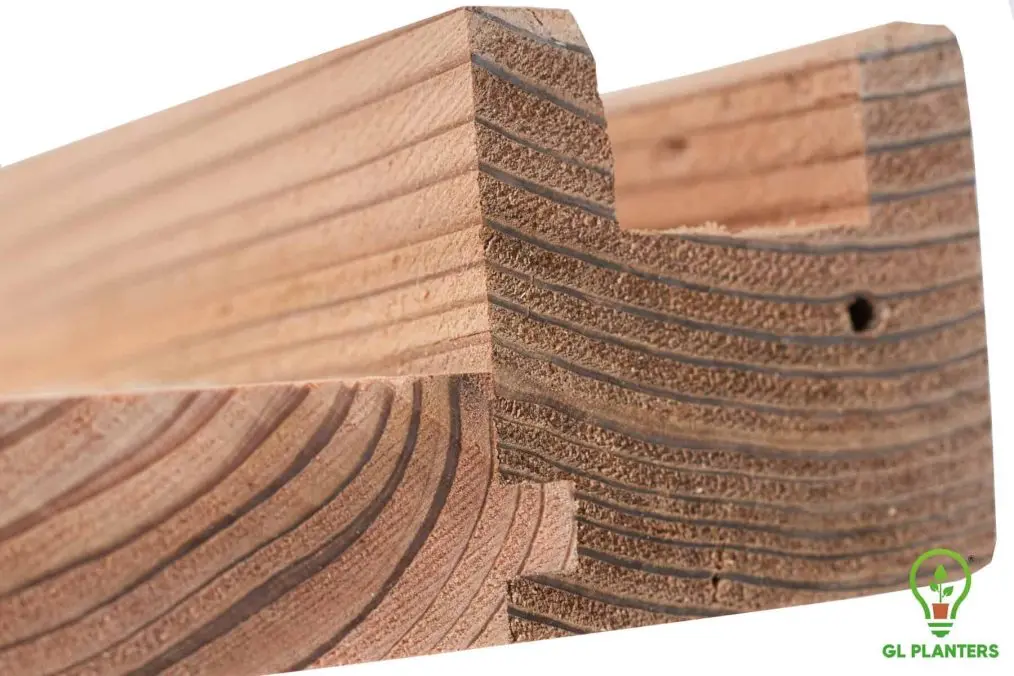
Most planter failures happen at stress points—especially corners—after repeated watering, soil load, and seasonal movement. That’s why build details matter more than marketing labels. Tongue-and-groove paneling helps keep boards aligned, and a well-engineered corner system helps resist racking, gaps, and long-term loosening.
- Tongue-and-groove panels: tighter alignment and cleaner edges over time.
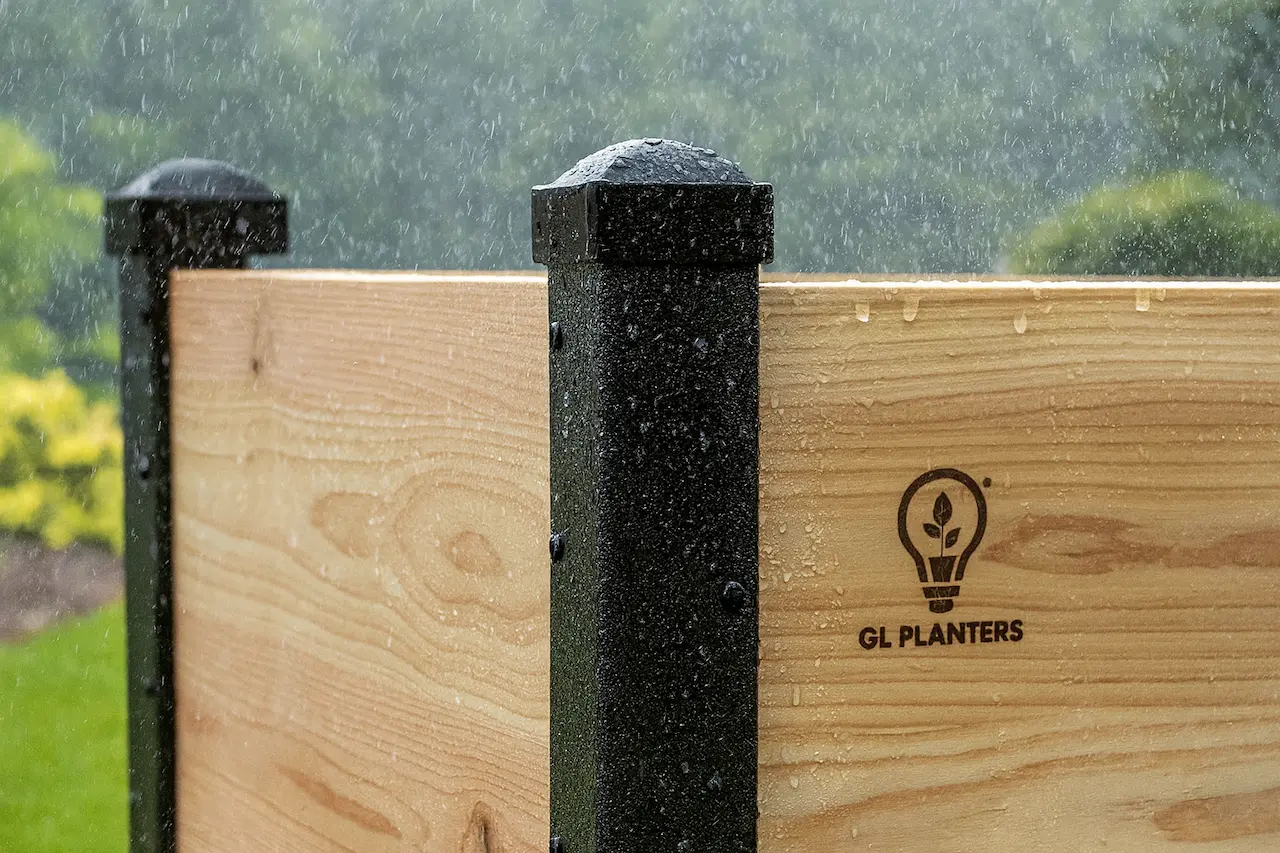
- Corner-focused strength: helps protect the most common failure point under real garden load.
- Drainage-ready design: supports healthier roots and steadier moisture management.
How shipping and assembly works
Elevated beds ship as ready-to-assemble kits designed for straightforward setup. The best results come from assembling on a flat surface, tightening evenly, and following the steps in order so the corners lock in square and stable.
Need the steps? Use the official guide here: Assembly instructions.
FAQs (soil, depth, liners, maintenance)
Do I need a liner?
We don’t recommend liners. Liners can trap moisture, restrict airflow, and aren’t ideal for organic gardening. Our beds use full cedar bottoms with engineered drainage to support healthy root oxygenation and consistent moisture flow—so your soil can breathe and roots stay healthier.
What soil should I use?
A high-quality raised bed mix is usually the easiest win. Look for a blend that holds moisture without staying soggy, then top-dress with compost as your season progresses.
How full should I fill the bed?
Fill close to the top while leaving a little room for watering and mulch. Keeping soil near the top makes planting and harvesting easier in elevated beds.
How do I maintain cedar over time?
Keep the bed clean at the base, avoid constant standing water, and refresh soil each season. A simple seasonal cleanup plus compost top-off is usually enough for most gardeners.
Where can I find answers fast?
For quick answers on liners, soil, depth, and care, use: FAQs.
Elevated cedar raised garden beds: quick size & planting guide
Comfort-height planter boxes are built for patios, decks, and weekly routines—less bending, cleaner spaces, and faster harvests. Use the tips below to pick the footprint that matches what you grow most.
1) Choose a footprint based on what you grow
- Compact footprints: great for herbs, lettuces, greens, and balcony/patio layouts.
- Wider footprints: better for tomatoes, peppers, cucumbers, and higher-yield spacing.
- Going big? Plan sunlight + spacing first, then choose the bed that fits your map.
2) What to plant in elevated beds
- Best for: herbs, greens, strawberries, peppers, compact tomatoes, and patio-friendly vegetables.
- Use companion planting for healthier growth, fewer pests, and cleaner yields.
3) Setup tips for a smoother season
- Follow the assembly steps in order—tight corners = better long-term stability.
- Use a simple planting plan before you fill with soil (spacing matters most).