
Discover what to plant in a raised garden bed each month.
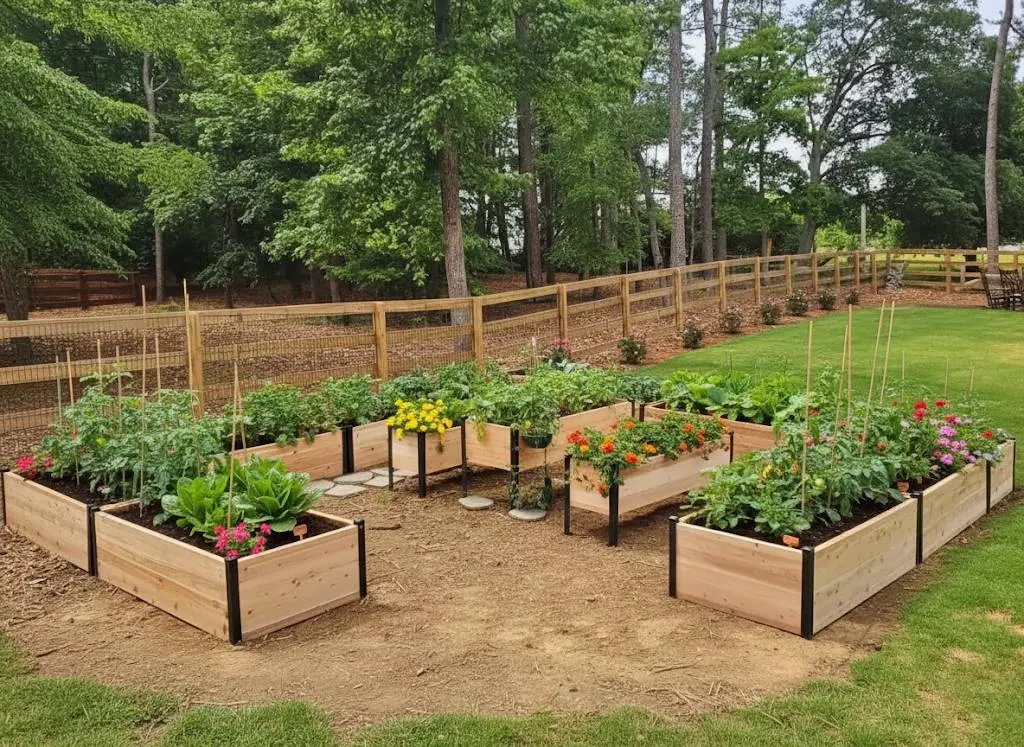
Gardening in raised beds gives you better soil control. It improves drainage and comfort. Knowing what to plant each month is key. This helps in maximizing yields and enjoying fresh produce all season long. This month-by-month guide helps both beginners and experienced gardeners plan their raised bed planting schedule for spring, summer, and fall.
Monthly Planting Guide of Raised Garden Beds and Planters
Spring Planting (March – May)
Month-by-Month Spring Planting Table
| Month | Vegetables | Herbs | Best Bed Size |
|---|---|---|---|
| March | Lettuce, Spinach, Radishes | Parsley, Cilantro | Small–Medium |
| April | Peas, Carrots, Broccoli | Chives, Dill | Medium |
| May | Tomatoes*, Peppers*, Cucumbers* | Basil | Large |
*Start warm-season crops indoors in early spring.
Small Raised Beds
- Leafy greens: Lettuce, spinach, arugula
- Herbs: Parsley, cilantro, chives
- Radishes and carrots
Large Raised Beds
- Early tomatoes, peppers, cucumbers
- Broccoli, cauliflower, cabbage
- Peas and snap beans
Pro Tip: For USDA Zones 6–9, raised beds warm faster, allowing earlier spring planting than in-ground gardens. Unsure your Zone
To find out which plants grow best in your area, first use the USDA Hardiness Zone Map. Enter your ZIP code to get the information.
Summer Planting (June – August)
Small Raised Beds
- Herbs: Basil, oregano, thyme
- Leafy greens in shaded areas: Kale, Swiss chard
- Bush beans
Large Raised Beds
- Tomatoes, peppers, and eggplants
- Cucumbers and zucchini
- Melons and squash
Tips:
- Mulch to retain soil moisture and reduce weeds.
- Water deeply in the mornings.
- Harvest regularly to encourage continuous production.
Fall Planting (September – November)
Month-by-Month Fall Planting Table
| Month | Vegetables | Herbs | Best Bed Size |
| September | Spinach, Kale, Beets | Parsley | Small–Medium |
| October | Lettuce, Radishes | Cilantro | Small |
| November | Garlic, Onions | — | Medium–Large |
Small Raised Beds
- Leafy greens: Spinach, kale, lettuce
- Root crops: Beets, radishes
Large Raised Beds
- Broccoli, cabbage, cauliflower
- Garlic and onions (overwinter)
- Cover crops for soil health
Cold Weather Tip: Raised beds extend the growing season with row covers or frost blankets.

Vegetables vs Herbs
- Vegetables: Require more space and nutrient-rich soil; ideal for large raised beds.
- Herbs: Thrive in small beds or containers; many are perennials and can be harvested repeatedly.
Extra Resources to help your garden thrive:
- Raised Bed Gardening for Beginners
- CEDAR WOOD: THE DURABLE AND TIMELESS CHOICE FOR OUTDOOR PLANTERS
- RAISED GARDEN BED MISTAKES: WHAT NOT TO DO FOR HEALTHY PLANTS
Small vs Large Bed Planning
Seasonal planting success often starts with choosing the right raised garden bed, ensuring enough depth, spacing, and access for crops throughout the year.
Small Raised Garden Beds
- Best for herbs, leafy greens, and quick harvest crops
- Ideal for patios, decks, and balconies
- Easier soil control and maintenance
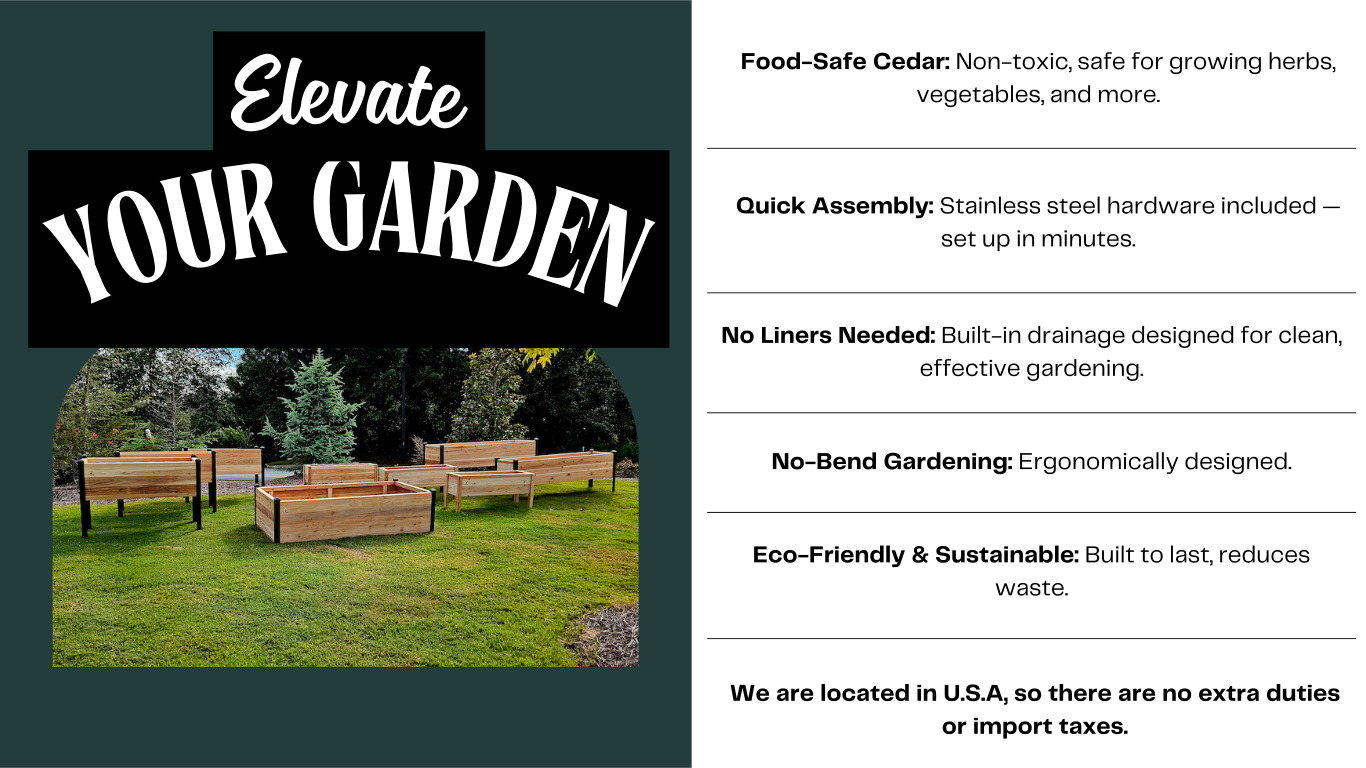
Perfect for compact spaces using modular cedar raised beds from GL Planters.


44×12 All-Cedar Elevated Planter Box — Patio…


SOLD OUT 44×18 Elevated Cedar Raised Garden…


SOLD-OUT U-Shaped Raised Cedar Garden Bed Planter…
Large Raised Garden Beds
- Designed for tomatoes, peppers, squash, and cucumbers
- Supports crop rotation and companion planting
- Maximizes yield per square foot
Explore extra-deep cedar raised beds for maximum root growth and long-term durability below:


SOLD OUT 72×36 Ground Cedar Raised Garden Bed…


72×18 Elevated Cedar Raised Garden Bed — 24″…


72×24 XL Elevated Cedar Raised Garden Bed —…
Frequently Asked Questions (FAQ)
What can I plant in a raised garden bed year-round?
Cool-season crops like lettuce, spinach, and kale thrive in spring and fall, while tomatoes and peppers grow best in summer. Garlic can be planted in fall for next year’s harvest.
How deep should a raised garden bed be?
Most vegetables need at least 8-12 inches of soil. GL Planters collection includes planters with a depth ranging from 9″ to 18″. All GFRP and Cedar Planters with GL Planters have at least 13″ planting depth. We got you covered. This range ensures all your plants and vegetables have the room to grow.

What USDA zones are best for raised bed gardening?
Raised beds work great in all of USA. They work especially well in USDA Zones 6–9 due to improved drainage and soil warmth.

Are cedar raised beds better than metal?
Yes. Cedar is naturally rot-resistant, food-safe, and won’t overheat roots like metal beds. Cedar with GFRP structure is even better see why below:

Conclusion
Planning what to plant in a raised garden bed month by month keeps your garden productive. It remains healthy and is easy to manage. By matching crops to the season, bed size, and climate zone, you’ll enjoy higher yields with less effort.
Upgrade your garden with premium cedar raised beds designed for no-bend gardening and deep roots.