44×18 vs 18×48 Raised Garden Beds: Which Is Better?

U-Shaped Raised Cedar Garden Bed Planter Set, 3-Piece, 44 x 18 in – Modular Raised Garden

44×18 vs 72×24 vs 18×48: Which Raised Bed Performs Best?

Compare root health, drainage, durability, heat protection, and harvest potential—with real examples from GL Planters elevated cedar beds.

We’ll break down which layout fits your space, how width and height affect comfort, and why material choice matters for long-term growing success.


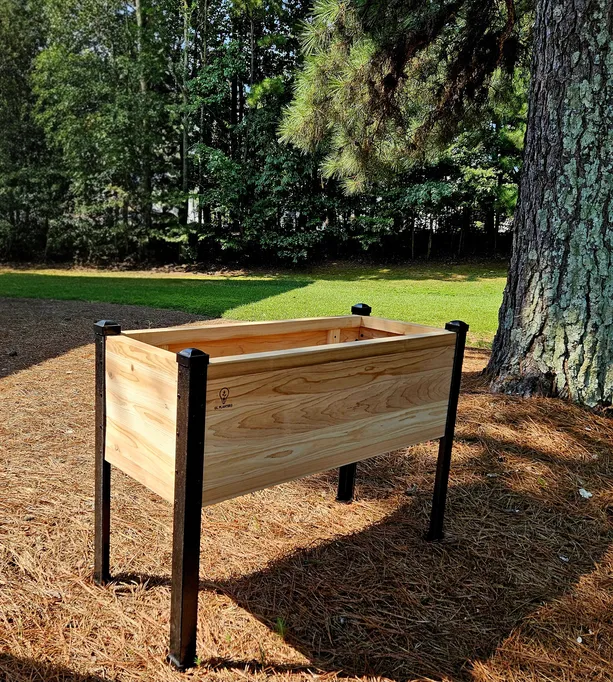
44x18 cedar raised garden bed elevated planter for vegetables and herbs
GL Planters 44×18 Elevated Cedar Planter — compact footprint, engineered performance.
GL Planters 72 inch x 24 inch XL premium cedar elevated raised garden bed designed for organic vegetable gardening
GL Planters 72×24 XL Elevated Cedar Bed — maximum soil volume for bigger harvests.

Quick answer: what to choose

  • Choose 44×18 for an elevated, space-smart bed with professional depth.
  • Choose 72×24 for maximum soil volume and long-term yields.
  • Choose 18×48 ground beds if you prefer ground-level planting and a longer footprint.

What matters most for performance

  • Board thickness & joinery for strength and insulation
  • Drainage design that avoids trapped moisture
  • Heat behavior near soil contact points
  • Soil volume for root expansion
  • Ergonomics that support consistent care

Side-by-side comparison

Performance factor 44×18 Elevated (GL) 72×24 Elevated (GL) 18×48 Ground Bed
Root volume Deep 13″ profile in a compact footprint. Largest soil mass for high-yield crops. Often narrower root zones depending on build.
Drainage No-liner slotted base for airflow. No-liner slotted base scaled for volume. Many rely on liners or fabric.
Heat protection Avoids metal heat transfer. Avoids metal heat transfer. Metal edges may heat soil.
Ergonomics 30″ comfort height. 30″ comfort height. Ground-level access.

(Swipe table left/right on mobile)


Board thickness & stability

Thicker tongue-and-groove cedar resists warping and improves root insulation during temperature swings.

1-inch thick hand-selected tongue and groove cedar boards
Tongue-and-groove cedar creates a stronger planter wall.

Drainage without liners

A precision-slotted base allows water to exit while oxygen enters, supporting healthier roots.

Underside of cedar planter showing slotted base drainage
No Liners. No Chemicals. No Compromises.

Heat transfer: steel vs GFRP

Metal supports can act as heat sinks. Heat-stable alternatives help keep soil temperatures consistent. For a basic overview of GFRP material performance, see ScienceDirect.
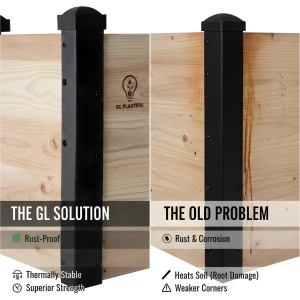
Comparison of rust-proof GFRP planter legs vs steel legs
GFRP vs steel: built for long-term outdoor performance.
30-inch comfort-height cedar raised garden bed
30″ comfort height supports no-bend gardening.

See real customer builds

Explore real-world garden setups and size comparisons.


Ready to choose?

44×18 fits smaller spaces. 72×24 supports bigger harvest goals.

If you want more planting space and higher long-term yields, the 72×24 elevated cedar raised garden bed is designed for larger gardens and bigger harvests.

Frequently Asked Questions

Which raised bed size is best for most gardeners: 44×18, 72×24, or 18×48?

For most gardeners, 72×24 tends to deliver the best reach-to-yield balance. It provides more planting area and spacing flexibility while still staying reachable for planting and harvesting.

Is 44×18 big enough to grow vegetables?

Yes. A 44×18 footprint is great for herbs, greens, peppers, and compact veggie mixes—especially when you want a smaller bed that’s easy to manage and maintain.

Does a 72×24 bed produce more than an 18×48 bed?

Often, yes—because the extra width supports better spacing, root room, and crop layout flexibility. Yield depends on sunlight, soil, and planting plan, but the 72×24 layout is typically easier to optimize.

Which size is easiest to reach across?

44×18 is the easiest to reach across. 72×24 is still very comfortable for most gardeners and is often considered a “sweet spot” for elevated beds.

Do elevated planters improve drainage and root health?

They can—especially when the base is designed for natural drainage and airflow (no plastic liner). Better airflow at the root zone helps reduce soggy soil and supports healthier root structure.

Does metal hardware or legs affect soil temperature?

Metal can conduct heat faster than wood, which may increase temperature swings near contact points in direct sun. Material choice and support design matter most in hot climates.

How do I choose the right bed if I’m torn between sizes?

Start with your layout and reach. Choose the largest size you can comfortably access from the sides, then pick the height you’ll enjoy using weekly—comfort and consistency usually drive better harvests.

Discover more from Cedar Raised Garden Beds & Elevated Planters – Built to Last

Subscribe now to keep reading and get access to the full archive.

Continue reading