Ground-Level Cedar Raised Garden Beds
Showing the single result
GL PLANTERS
Ground-Level Cedar Raised Garden Beds
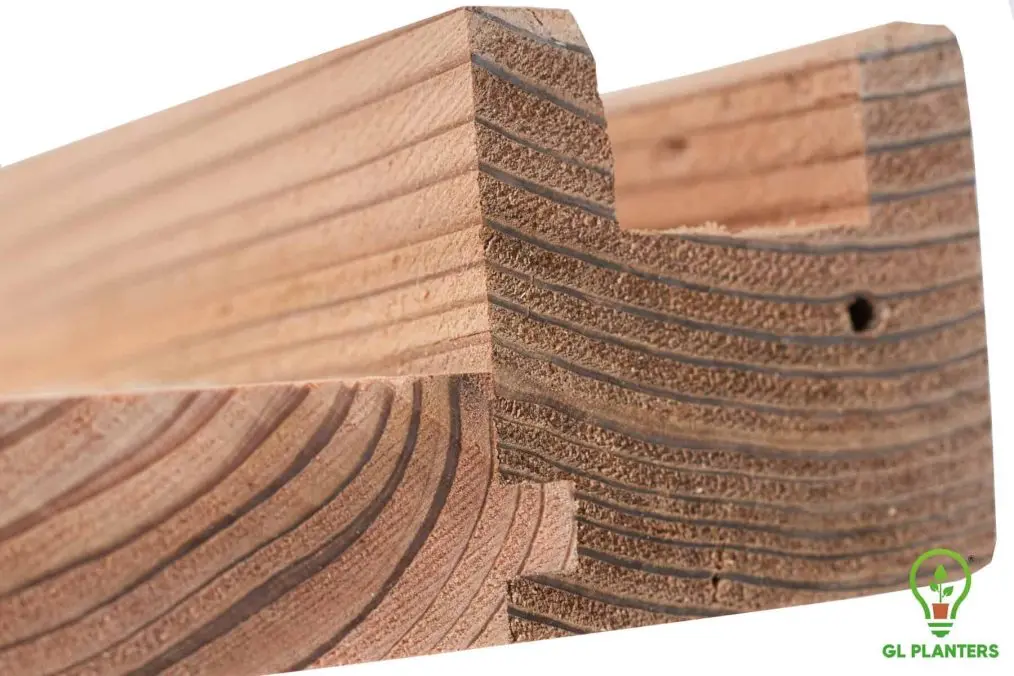
More soil. Stronger roots. Bigger harvests. Ground-level cedar raised garden beds are the “maximize harvest” option when you want real garden soil volume with the clean structure of a raised bed. A deeper root zone helps crops develop stronger root systems, holds moisture more evenly, and supports healthier growth through heat and dry stretches—especially for big summer crops. These beds are ideal for backyard layouts and deep-root favorites like potatoes, squash, carrots, onions, tomatoes, peppers, and other heavy feeders that don’t love shallow containers. Our builds are made for long-term outdoor performance with tight tongue-and-groove joinery and stable corners under soil load and seasonal movement. Our ground-level beds use an open-bottom design so roots can reach native soil and you can set up without heavy prep. Start with your journey to organic homegrown herbs, fruits, and vegetables. Unlock your green thumb today.
Looking for bigger elevated raised garden beds? Jump to our extra-large section and compare the best large + XL options.
Compare XL Sizes Browse full catalog Shop all raised garden beds Read the 2026 comparison guide →
G
★★★★★ 5.0
Top Rated Planters
-
SOLD OUT 72×36 Ground Cedar Raised Garden Bed — 18″ Deep, Open-Bottom
Original price was: $599.00.$344.00Current price is: $344.00.Quick View


Why ground-level beds win for deep-root crops
Ground-level raised beds give you maximum soil volume and a deeper root zone—better moisture stability, stronger roots, and better performance for big summer crops. Our open-bottom design supports deeper rooting into native soil and makes “no-till” setup easier. Compare footprints to match your spacing and sunlight, then choose the bed that fits your garden plan.
- Ideal crops: potatoes, squash, carrots, onions, tomatoes, peppers, and other heavy feeders.
- Open-bottom design: supports deeper rooting and steadier moisture behavior like a real garden bed.
- Weed control tip: lay cardboard first, then fill with soil/compost (skip liners—liners can restrict airflow and organic soil biology).
Ideal crops and layouts (potatoes, squash, carrots, tomatoes)
Ground-level raised beds are the “maximize harvest” choice because they behave more like a real garden: more soil mass, steadier moisture, and room for bigger root systems. If you’re planning spring planting (March–May), these beds are a strong base for big summer crops where deeper roots and higher soil volume usually pay off.
- Deep-root crops: carrots, potatoes, onions, and other root growers that benefit from more depth and consistent moisture.
- Big summer crops: tomatoes, peppers, squash, cucumbers, and heavy feeders that perform better with more soil buffer.
- Backyard layouts: great for permanent garden maps—plan rows, spacing, and sun first, then choose the footprint that fits.
Soil depth, drainage, and weed control
Our ground-level beds use an open-bottom design, which helps roots reach native soil and improves long-term plant stability. Drainage is mostly controlled by your soil blend—aim for a raised bed mix that holds moisture without staying soggy, then top-dress with compost through the season.
- No-till friendly: mow/trim the area, lay cardboard, set the bed, then fill—no heavy ground prep required.
- Weed control: cardboard (plus mulch) is a simple organic-friendly barrier that breaks down over time.
- Extra protection (optional): add hardware cloth underneath if burrowing pests are a concern.
Material and build quality (cedar performance + joinery)
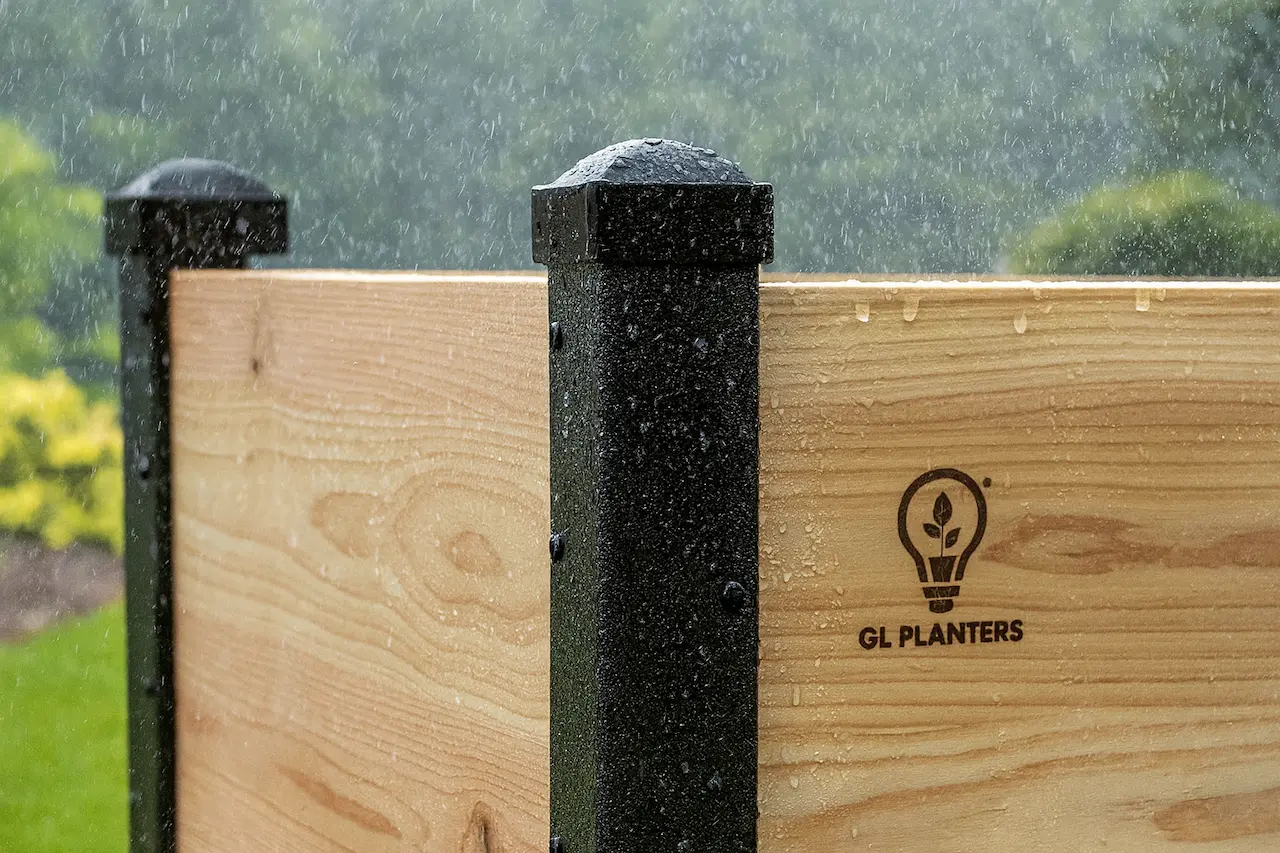
Cedar is a proven material for outdoor garden construction because it handles moisture and seasonal swings without heavy chemical treatment—key for food gardens. Pairing that with tighter joinery and stronger corners helps reduce warping and the corner/mid-span failure that shows up in cheaper kits after a season of soil load and watering cycles.
- Tongue-and-groove alignment: helps boards stay tighter and cleaner over time.
- Corner-focused strength: corners are the most common stress point—better engineering here matters.
- Long-term stability: the goal is fewer gaps, less racking, and better season-to-season performance.
Founder’s note: why we built the 72×36×18
We designed the 72×36×18 ground bed to make gardening easier and more productive without making the bed hard to work. It’s wide enough for serious harvests, but still sized so you can comfortably reach in from all sides—any bigger and daily gardening becomes frustrating. It’s also built to reduce long-span bowing and corner stress over time, so it outlasts many oversized beds that weaken at corners or along the middle.
Why it works: open-bottom setup (no tilling required), enough depth for strong root development, comfortable reach from all sides, and a footprint many experienced gardeners prefer for real-world usability.
FAQs (liners, soil volume, setup)
Do I need a liner?
No—liners often trap moisture and restrict airflow, which isn’t ideal for organic soil biology. With ground-level beds, the open-bottom design is a feature: roots can reach native soil and the bed “breathes” naturally. For weeds, use cardboard + mulch instead of a plastic-style liner.
How much soil do I need?
Soil needs depend on the exact bed size. As a rule, fill close to the top (leave a little room for watering and mulch). Then top-dress with compost during the season. Check the individual product page for the most accurate fill guidance for that specific size.
Do I have to prep or till the ground?
Usually no. For a simple no-till setup: mow/trim low, lay overlapping cardboard, place the bed, then fill with raised bed mix and compost. This suppresses weeds and creates a great base without heavy digging.
What’s the best soil mix for ground beds?
Use a high-quality raised bed mix that holds moisture without staying soggy. If your climate is hot/dry, add compost for water-holding. If your climate is wet, add more drainage-friendly structure so roots don’t stay saturated.