Cedar Buyer’s Guide
Best Wood for Raised Garden Beds: Cedar vs Treated vs Metal (2026)
If you’re building a food garden, the “best material” question matters because it affects rot resistance, soil temperature stability, and how long your bed stays square outdoors. Here’s the practical breakdown—and the fastest path to choose the right size once you decide.

Quick comparison: cedar vs treated wood vs metal
| Material | Best for | Tradeoffs | Practical takeaway |
|---|---|---|---|
| Cedar | Food gardens, long-term outdoor use | Costs more than basic pine | Natural rot resistance + stable performance in wet/dry cycles |
| Treated wood | Budget builds, structural framing | Not everyone wants preservatives near food soil | Many gardeners prefer cedar to avoid relying on chemical preservatives |
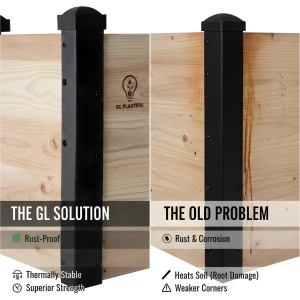
| Metal | Lightweight kits, fast assembly | Can heat up in direct sun; coatings vary | Great in some climates, but watch root-zone heat + hot surfaces |
(Swipe the table left/right on mobile.)
Shopping shortcut: If you already know you want cedar, compare footprints here: Cedar Raised Garden Beds hub.
Why cedar is the best wood for raised garden beds (for most gardeners)
Cedar performs well outdoors because it naturally resists rot and handles seasonal moisture swings better than many common woods. For edible gardens, many shoppers also prefer cedar because it doesn’t depend on heavy chemical preservatives to last.
- Outdoor durability: good resistance to rot and decay in wet/dry cycles.
- Root-zone comfort: tends to be gentler in sun than thin metal walls that can heat quickly.
- Long-term looks: weathers gracefully; stays clean with simple seasonal care.
Cedar vs treated wood: what gardeners should know
Treated lumber is often used in outdoor construction because preservatives help resist rot. But in food gardens, many gardeners prefer naturally rot-resistant woods like cedar to avoid relying on chemical preservatives near soil.
If your priority is “set it and forget it” durability for edible planting, cedar is the simplest and most trusted choice for most home gardens.
Cedar vs metal raised beds: temperature reality
Metal beds can be convenient, but in full sun they may heat faster and create stronger temperature swings near the bed walls. Cedar naturally insulates, which helps stabilize soil conditions—especially for herbs, greens, and consistent watering routines.
If you live in intense sun/heat and want a more forgiving root environment, cedar is often the safer “comfort” choice.
Board thickness + joinery: what actually decides longevity
Most failures happen at stress points—corners, long spans, and joints—after repeated watering cycles and seasonal movement. A thicker board, tight joinery (like tongue-and-groove), and corner-first reinforcement keeps beds square and stable long-term.
Hand-Selected Premium Cedar (No Compromises)
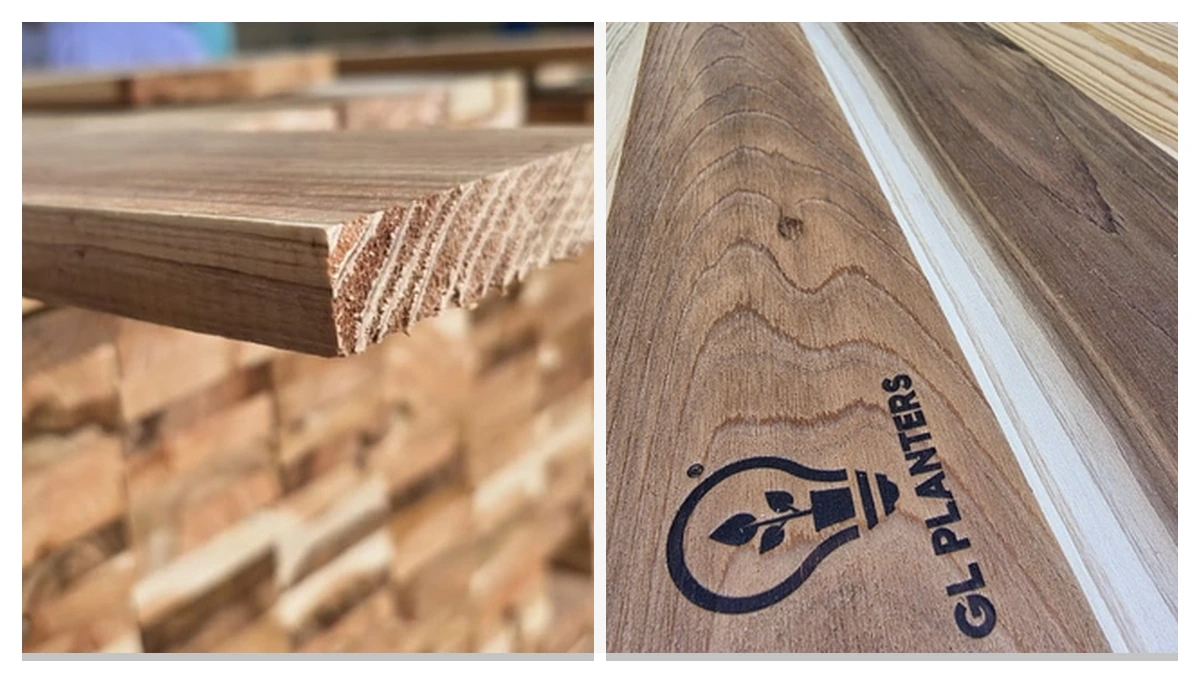
All GL Planters are built from the highest-grade, hand-selected tongue-and-groove cedar. Every board is chosen for straightness, visual consistency, and long-term outdoor durability.

High-grade cedar boards chosen for straightness, grain quality, and outdoor durability.

Each cedar board is hand-selected to meet strict standards for strength and appearance.
What to buy once you choose cedar (sizes that work)
Start with cedar, then choose a raised garden bed you’ll use weekly — compare sizes in the hub and shop the planter that fits your organic gardening needs:
Want the full “Best Picks” breakdown? Read the complete Best Picks guide: Best Raised Garden Beds (2026 Comparison Guide).
FAQs
Is cedar safe for growing vegetables?
Cedar is commonly used for food gardens because it performs well outdoors and doesn’t require heavy chemical preservatives to resist decay.
Do I need a liner with a cedar raised bed?
In most cases, no. Liners can trap moisture and reduce airflow. A good soil blend and proper drainage usually work better for long-term soil health.
What matters most for long-term durability?
Corners and joints. Strong corner reinforcement and tight joinery prevent racking, gaps, and loosening over time—especially after repeated watering cycles.
What should I do next if I’m ready to buy?
Use the Raised Garden Beds hub to compare sizes, then shop the layout that fits your space.
